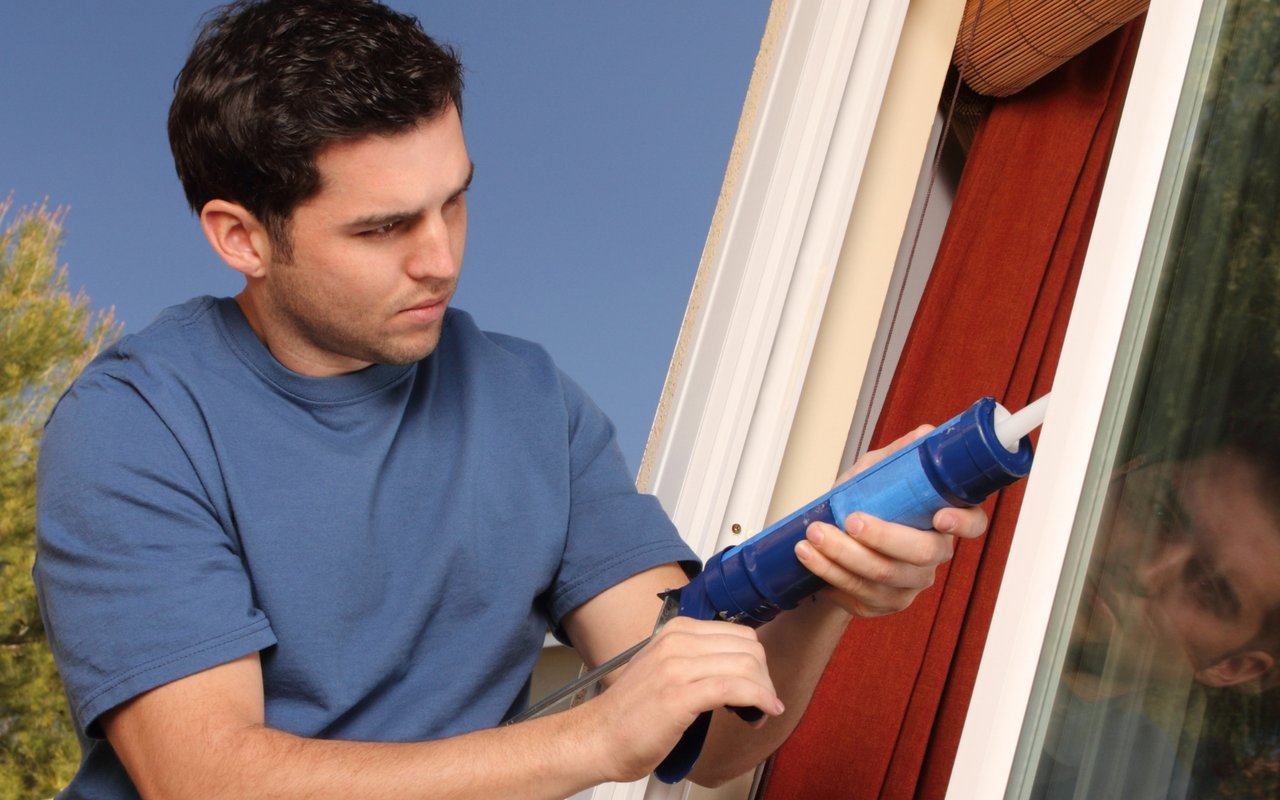
Regular home maintenance is more than just keeping your property looking good - t’s about protecting its value and longevity. One often-overlooked task that can make a big difference is inspecting for gaps and sealing them promptly.
In the Upstate South Carolina climate, temperatures can swing from hot and humid summers to chilly winters. These fluctuations cause building materials to expand when heated and contract when cooled, which can create cracks and openings around windows, doors, trim, and other joints in your home’s exterior.
The Risks of Leaving Gaps Unsealed
If these openings are left untreated, you could face several costly and frustrating issues:
-
Energy Loss: Outdoor air can seep in, forcing your HVAC system to work harder and increasing your energy bills.
-
Moisture Damage: Moist air can infiltrate your walls, creating the perfect environment for mold and mildew to grow.
-
Pest Intrusion: Even small cracks are big enough for insects and rodents to squeeze through, leading to infestations.
-
Curb Appeal Decline: Visible cracks and openings can make your home look neglected, reducing its visual appeal.
Benefits of Sealing Gaps
Proactively sealing gaps in your home’s exterior is one of the most cost-effective ways to maintain its condition and value. It helps:
-
Maintain Energy Efficiency: Keep heated and cooled air where it belongs—inside your home.
-
Prevent Moisture Damage: Stop mold and mildew before they have a chance to develop.
-
Block Pest Entry: Keep bugs, rodents, and other unwelcome guests outside.
-
Enhance Curb Appeal: Freshly sealed joints give your home a polished, well-maintained look.
Local Tip for Greenville Homeowners
Because of the Upstate’s humid summers and occasional heavy rains, it’s best to inspect your home’s exterior twice a year—once in the spring and once in the fall. Pay extra attention to areas around windows, doors, siding seams, and rooflines.