You finally found the perfect home. The inspection went well, but then the radon test comes back above the recommended action level.
Should you walk away?
In most cases, the answer is no.
While hearing the words "high radon levels" can sound alarming, radon is a common issue that can usually be addressed with a proven mitigation system. Understanding what radon is and how it's handled can help you make an informed decision instead of reacting out of fear.
What Is Radon?
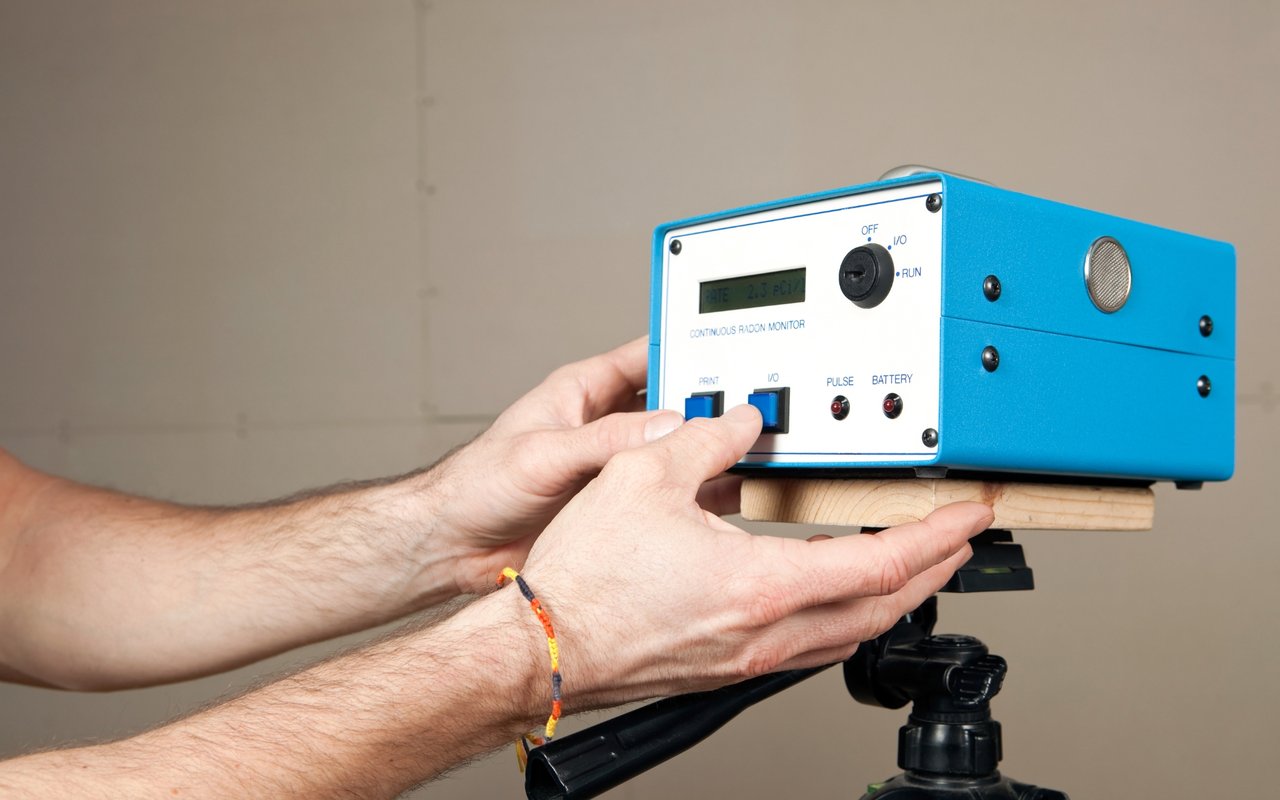
Radon is a naturally occurring radioactive gas that forms as uranium breaks down in soil and rock. It is colorless, odorless, and tasteless, which means the only way to know whether it is present is through testing.
Radon can enter a home through cracks in the foundation, crawl spaces, sump pits, or other openings where the home comes into contact with the ground.
Because of the geology in many parts of South Carolina, elevated radon levels are not uncommon.
Is Radon Dangerous?
Long-term exposure to elevated levels of radon has been linked to an increased risk of lung cancer. That is why many buyers choose to include radon testing as part of their due diligence.
The good news is that elevated radon levels can usually be reduced effectively.
How Is Radon Fixed?
The most common solution is a radon mitigation system.
These systems typically use a vent pipe and continuously operating fan to draw radon gas from beneath the home and safely vent it above the roofline before it can enter the living space.
When properly installed, mitigation systems are highly effective and can significantly reduce indoor radon levels.
Are Radon Mitigation Systems Expensive?
Compared to many other home repairs, radon mitigation systems are often more affordable than buyers expect.
The cost depends on factors such as the home's foundation type, size, and construction, but installation is generally much less expensive than replacing a roof or HVAC system.
Because the issue is usually correctable, a positive radon test does not automatically mean a buyer should walk away from the transaction.
What Happens During Negotiations?
If elevated radon levels are discovered during the due diligence period, buyers have several options depending on the contract and the seller's willingness to negotiate.
Possible solutions may include:
- Asking the seller to install a radon mitigation system before closing.
- Negotiating a credit toward installation after closing.
- Adjusting other terms of the contract to account for the repair.
Every transaction is different, which is why having an experienced real estate agent is so important during negotiations.
Don't Panic Over a Positive Test
One thing I've learned helping buyers throughout the Upstate is that inspection reports often sound more intimidating than they really are.
A positive radon test is usually a manageable issue with a well-established solution. The important thing is understanding the test results, obtaining estimates if needed, and negotiating an appropriate resolution before closing.
Final Thoughts
A positive radon test does not have to derail your home purchase. With proper testing, a professionally installed mitigation system, and thoughtful negotiations, buyers can move forward with confidence.
If you're buying a home in Greenville, Greer, Simpsonville, Five Forks, Travelers Rest, or anywhere in the Upstate, I'd be happy to help you navigate inspections, negotiate repairs, and protect your investment every step of the way. I am Monica Barnett, a local real estate agent with Coldwell Banker Caine. Let's make your home buying experience simple, informed, and successful.