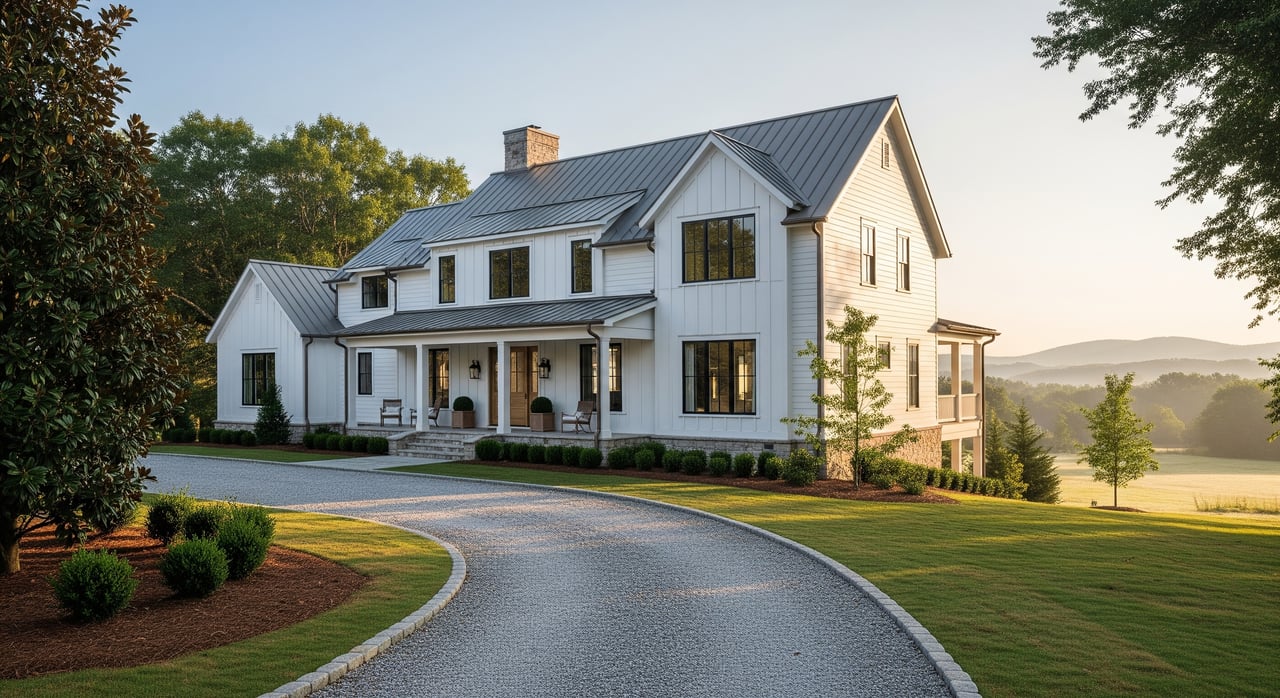
Thinking about buying a home in Fountain Inn with little to no money down? You might be a great fit for a USDA loan. Many buyers are surprised to learn that parts of the Upstate qualify, but it all comes down to the exact address and your household income. This guide explains how USDA loans work in Fountain Inn, how to check eligibility fast, what to expect in the appraisal, and how USDA compares to FHA and conventional financing. Let’s dive in.
USDA loan basics in Fountain Inn
USDA Rural Development offers single-family home loans to encourage homeownership in eligible rural and semi-rural areas. Most buyers use the Guaranteed Loan Program, which is originated by a lender and backed by USDA for 100 percent financing on eligible homes. You must live in the home as your primary residence.
Key benefits you’ll often see:
- Potential for 100 percent financing with no down payment on eligible properties.
- Competitive interest rates from participating lenders.
- Option to finance certain guarantee fees into the loan, subject to program rules.
To learn more about program mechanics and fees, review the USDA’s overview of the Single-Family Housing Guaranteed Loan Program.
Check property eligibility by address
USDA eligibility is location specific. A home must sit inside a USDA-designated area to qualify. Eligibility around Fountain Inn can be patchy. Some subdivisions and annexed areas may not qualify even if nearby streets do. Municipal boundaries also shift over time, which can change eligibility.
Use the USDA map tool before you tour or write an offer. It is the fastest way to confirm if a specific property might work.
- Start with the USDA property eligibility map tool. Enter the exact street address.
- Note the county tied to the address. Portions of Fountain Inn can fall in Greenville County or Laurens County. County matters for income limits and administrative details.
- Share the address with your lender and agent so they can double-check eligibility before you make an offer.
Tip: If you are considering multiple homes, create a short list of addresses and run them through the tool at the same time. It saves time and helps you focus your search.
Confirm income and borrower eligibility
USDA sets household income limits by county and household size. Lenders use anticipated annual income from all adult household members and apply allowed deductions where appropriate. Because rules are updated periodically, ask your lender to run a formal income check using the current limits.
- Use the national eligibility site above to access the income lookup tools for your county.
- Be prepared to document your employment and income history. Lender credit overlays vary, so standards can differ from one lender to another.
- USDA loans are designed for primary residences. You must plan to live in the home.
If you’re unsure whether your credit profile fits, talk with two or three lenders that regularly close USDA loans in the Upstate. They can explain score expectations, debt-to-income targets, and options.
Property types and local considerations
USDA can finance many typical home types found in and around Fountain Inn.
Commonly eligible properties:
- Single-family detached homes
- Certain condos that meet USDA project criteria
- Modular homes built to local codes
- Some manufactured homes that meet state and USDA requirements, including permanent foundation and title conversion rules
Local factors to plan for:
- Private wells and septic systems. These are common outside denser neighborhoods. You may need well-water testing, proof of flow, and a septic inspection that meets health and safety standards.
- Floodplains. A flood determination will be ordered. If the home sits in a Special Flood Hazard Area, flood insurance may be required.
- Condos and PUDs. The project must meet agency criteria, and many condo projects are not eligible unless they meet USDA requirements. Ask your lender to check early.
Always have your lender run a property eligibility check before you submit an offer, especially for condos, manufactured homes, or properties on private roads.
Appraisal and common Upstate repair items
USDA loans require an appraisal that confirms market value and basic habitability. Appraisers look for safety and livability issues, and they may flag repairs that must be completed before closing.
Issues that often come up around Fountain Inn and nearby rural pockets:
- Roof condition and any signs of water intrusion or mold
- Working HVAC, safe electrical panels, and hot water availability
- Septic health and well-water quality and flow if the property is on private systems
- Access and road maintenance for private roads or easements, including legal access documentation
If repairs are required, you and your agent can work with the seller to address them. USDA allows seller-paid closing costs and concessions within program rules, and experienced agents often negotiate repair solutions or escrows so you can move forward.
Your step-by-step USDA timeline in Fountain Inn
A smooth closing is all about sequencing. Use this simple flow as your roadmap.
- Preliminary research
- Identify your target neighborhoods and note exact property addresses.
- Property eligibility check
- Run addresses through the USDA map tool and ask your lender to confirm eligibility.
- Income eligibility check
- Your lender reviews county limits and documents your household income, including allowed deductions.
- Pre-qualification or pre-approval
- Get a letter that indicates USDA viability, subject to underwriting.
- Make your offer
- Consider contingencies for USDA eligibility and appraisal.
- Processing and appraisal
- Lender orders a USDA-compliant appraisal. Your home inspection and the appraisal may trigger repair items.
- Repairs, clear to close, and settlement
- Resolve any repairs or escrows, finalize underwriting, and schedule closing.
Documents your lender will request
Gather these items early to save time:
- Government-issued photo ID and Social Security numbers for all borrowers
- Recent pay stubs, W-2s for the past 2 years, and tax returns if self-employed
- Bank statements and documentation for assets or gift funds
- Employer contact information and employment verification
- Rent or mortgage payment history, if applicable
- Divorce decree or child support documentation, if it affects income or obligations
- Purchase contract, HOA documents if applicable, and any well, septic, survey, or flood information available
USDA vs FHA vs conventional: what fits you
Choosing the right loan means comparing total costs, not just the down payment.
Down payment:
- USDA: Possible 100 percent financing when you and the property meet eligibility.
- FHA: Typically 3.5 percent down if you meet credit requirements.
- Conventional: Options can start near 3 percent down for first-time buyers. Private mortgage insurance applies if you put less than 20 percent down.
Mortgage insurance and fees:
- USDA: Has an upfront guarantee fee and an annual fee. See the USDA Guaranteed Loan Program overview for program details.
- FHA: Requires an upfront mortgage insurance premium and an annual MIP. Review FHA basics on the HUD single-family housing pages.
- Conventional: PMI is required with less than 20 percent down and can be removed when you reach sufficient equity, depending on loan terms.
Eligibility and property rules:
- USDA: Address-based eligibility, primary residence required, and habitability standards.
- FHA: Broader property eligibility than USDA, yet still requires minimum property standards and an FHA appraisal.
- Conventional: Generally more flexible on property types, guided by lender and investor standards.
Next step: Ask for written, side-by-side Loan Estimates from local lenders. Use them to compare monthly payments, upfront costs, and the long-term impact of mortgage insurance across USDA, FHA, and conventional options. For a neutral overview of loan types and mortgage insurance, review the Consumer Financial Protection Bureau’s guide to home loan options.
Local tips for Fountain Inn buyers
A few small moves can save you time and stress:
- Confirm the property’s county and parcel details early. Portions of Fountain Inn can fall in Greenville or Laurens County, which affects income limits.
- Coordinate with the listing agent at the offer stage so everyone understands USDA timelines and potential repair needs.
- Work with a lender experienced in USDA loans in the Greenville area. Local experience helps with well and septic documentation, condo eligibility, and appraisal expectations.
- Line up inspection providers who are familiar with rural systems like wells, septics, and private roads.
Your next steps
- Check the exact address on the USDA property eligibility map.
- Ask a local lender to run your income eligibility and provide a USDA pre-qualification.
- Compare USDA, FHA, and conventional with written Loan Estimates. Review fees, mortgage insurance, and monthly payment.
If you want a local guide at your side, reach out to Monica Barnett for a quick, no-pressure consult. You’ll get clear next steps, lender introductions, and neighborhood insight tailored to Fountain Inn and the Greater Greenville market.
FAQs
How do I check if a Fountain Inn address is USDA-eligible?
- Use the USDA eligibility map with the exact street address, then ask your lender to confirm before you make an offer.
Is all of Fountain Inn eligible for USDA financing?
- No. Eligibility is patchy. Many exurban and semi-rural pockets qualify while denser or annexed areas may not. Verify each address individually.
What documents do I need for a USDA pre-qualification in Fountain Inn?
- Expect to provide ID, Social Security numbers, recent pay stubs, W-2s or tax returns, bank statements, employer info, and the property address if you have one.
Can I use gift funds for USDA closing costs?
- USDA allows certain gift funds under program rules. Coordinate with your lender and be ready to provide a gift letter and documentation.
How long does a USDA loan take compared with FHA or conventional?
- Timelines can be similar with an experienced lender, but added eligibility and appraisal coordination can add time. Build that into your contract contingencies.
Can the seller pay my closing costs on a USDA loan?
- Yes, seller-paid costs and concessions are allowed within USDA guidelines. Work with your agent to structure the offer.
Can I buy a multi-unit property with a USDA loan in Fountain Inn?
- The Guaranteed Program is primarily for one-unit, owner-occupied homes. Some exceptions exist, but availability is limited. Confirm with your lender.